What We Do
Supporting environmental sustainability, climate resilience and sustainable livelihoods through practical, evidence-based and community-centred solutions.
Our Areas of Work
Mazingira Yetu organizes its programmes around environmental and community development priorities that respond to climate change, environmental degradation, biodiversity loss, unsustainable natural resource use and livelihood challenges. Our work combines community participation, research, technical expertise, innovation, capacity development, advocacy and strategic partnerships to develop practical and sustainable solutions.
Climate Change & Resilience
Building Resilience. Protecting Livelihoods. Securing the Future.
Climate change creates increasing risks for agriculture, water resources, biodiversity, infrastructure, ecosystems and community livelihoods. Climate-related shocks particularly affect communities that depend directly on natural resources and climate-sensitive economic activities.
Mazingira Yetu supports communities and institutions to understand climate risks and develop practical responses that strengthen resilience. Our work connects local knowledge with scientific evidence, planning, and appropriate technologies.
We promote approaches that address both immediate vulnerability and longer-term resilience while contributing to environmentally sustainable development.
Areas of Intervention
- Climate vulnerability and risk assessments
- Climate change adaptation
- Climate change mitigation
- Community-based adaptation
- Ecosystem-based adaptation
- Climate resilience planning
- Nature-based solutions
- Afforestation and reforestation
- REDD+
- Climate-smart and resilient livelihoods
- Climate awareness and education
- Climate-risk mapping
- Institutional capacity strengthening
- Climate policy engagement

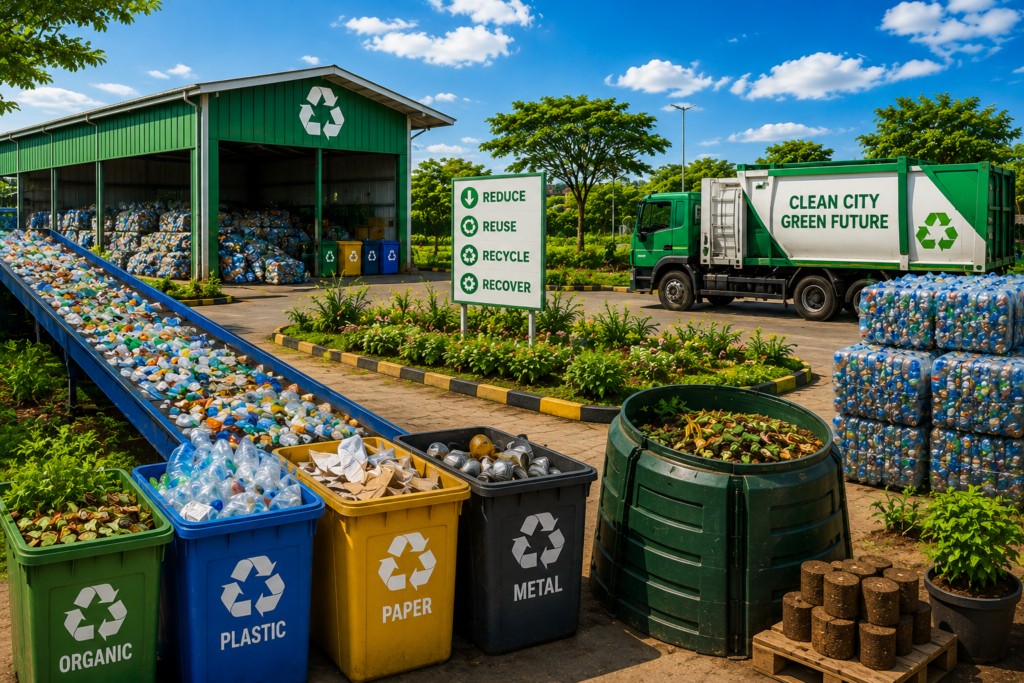
Solid Waste Management & Circular Economy
Turning Waste into Resources and Opportunities
Population growth, urbanization, and changing consumption patterns increase the quantity and complexity of waste generated by households, institutions, businesses, and communities.
Poor waste management contributes to environmental pollution, blocked drainage systems, contamination of water resources, public health risks and degradation of ecosystems.
Mazingira Yetu promotes integrated waste-management approaches that move beyond collection and disposal. We encourage prevention, source separation, reduction, reuse, recycling and resource recovery.
We also recognize the economic potential of properly managed waste. Recycling, composting, resource recovery, and green enterprises create livelihood opportunities while improving environmental conditions.
Areas of Intervention
- Solid waste assessments
- Waste characterization studies
- Waste generation assessments
- Waste value-chain analysis
- Waste segregation at source
- Waste prevention and reduction
- Reuse and recycling
- Plastic waste reduction
- Organic waste management
- Composting
- Recycling and resource recovery
- Community waste-management systems
- Institutional waste-management systems
- Behaviour-change communication
- Green enterprises
- Waste-management innovation
- Waste infrastructure mapping
- Policy and institutional strengthening
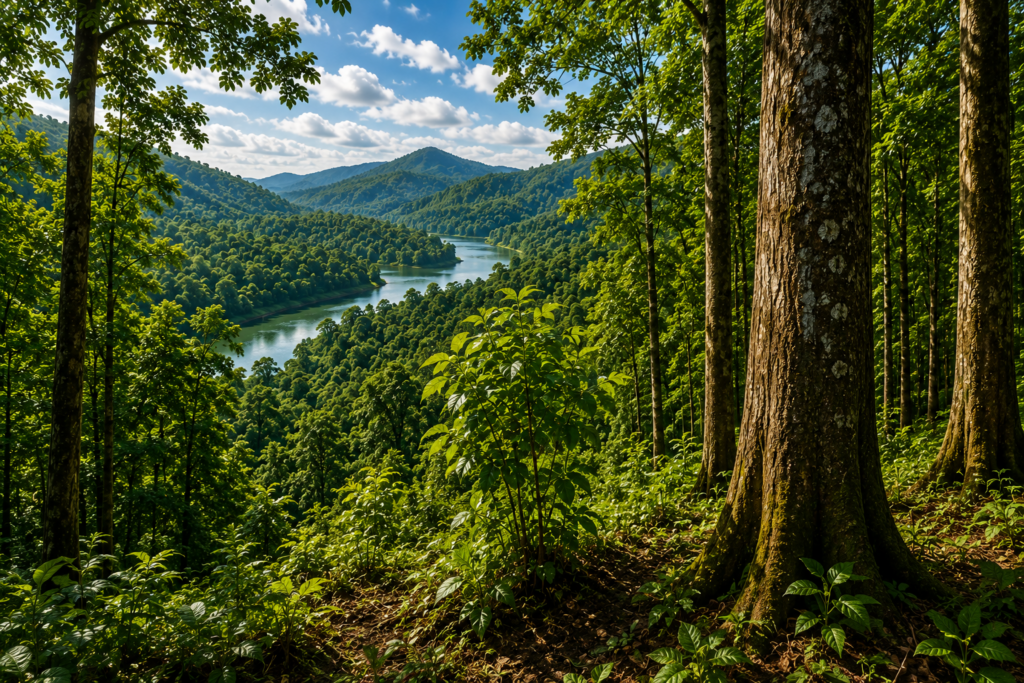
Forest Governance & Sustainable Forest Management
Healthy Forests. Strong Institutions. Resilient Communities.
Forests provide biodiversity habitat, regulate climate, protect water systems, store carbon and support livelihoods. Their sustainable management is essential for environmental protection, climate resilience and community well-being.
Mazingira Yetu recognizes that forest conservation depends on ecological interventions as well as effective institutions, transparent governance, community participation and sustainable resource-use practices.
Our work promotes community involvement, improved forest governance, restoration and evidence-based management of forest resources.
Areas of Intervention
- Forest governance assessments
- Sustainable forest management
- Community-based forest management
- Participatory forest governance
- Forest conservation
- Forest and landscape restoration
- Afforestation and reforestation
- Biodiversity conservation
- REDD+
- Forest policy analysis
- Institutional strengthening
- Community participation
- Sustainable forest-based livelihoods
- Forest-resource mapping
- Digital forest monitoring
- Forest and biodiversity research
Biodiversity & Ecosystem Conservation
Protecting Nature and Ecosystem Services
Biodiversity supports ecological stability and provides essential ecosystem services such as water regulation, soil protection, food resources, carbon storage and livelihood opportunities.
Mazingira Yetu promotes the conservation of habitats, species and ecosystems through community participation, environmental education, research and ecosystem-based approaches.
Our programmes strengthen understanding of biodiversity threats and support practical actions that conserve ecosystems while recognizing the needs and knowledge of surrounding communities.
Areas of Intervention
- Biodiversity assessments
- Habitat conservation
- Ecosystem conservation
- Community-based conservation
- Biodiversity monitoring
- Environmental awareness
- Conservation research
- Biodiversity mapping
- Nature-based solutions
- Conservation partnerships

Ecosystem Restoration
Restoring Nature. Strengthening Resilience.
Degraded forests, landscapes, watersheds and other ecosystems lose their capacity to provide essential ecological, economic and livelihood functions.
Mazingira Yetu supports restoration initiatives designed to rebuild ecological functions, strengthen biodiversity, and improve resilience to environmental and climate pressures.
Restoration interventions integrate ecological considerations, community participation, and long-term management to support sustainable environmental recovery.
Areas of Intervention
- Forest restoration
- Landscape restoration
- Afforestation
- Reforestation
- Restoration of degraded land
- Watershed restoration
- Community restoration initiatives
- Restoration monitoring
- GIS-based restoration mapping
- Biodiversity recovery monitoring
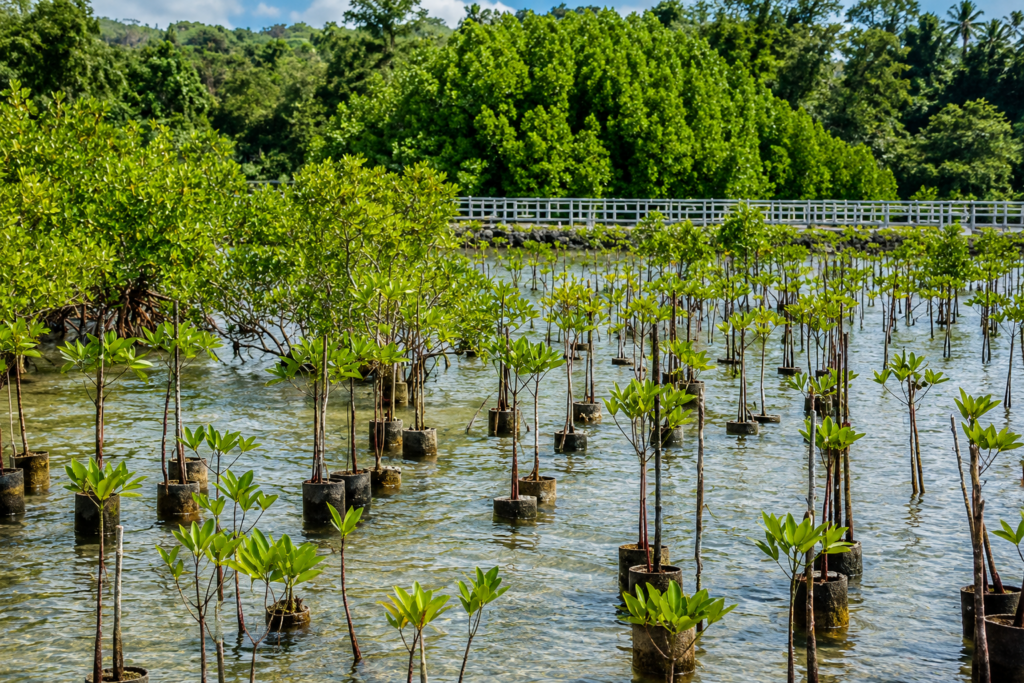
Sustainable Natural Resource Management
Balancing Conservation, Livelihoods and Development
Natural resources provide essential ecological, social and economic benefits.
Unsustainable exploitation contributes to environmental degradation, resource depletion, biodiversity loss and livelihood insecurity.
Mazingira Yetu promotes inclusive and responsible management of land, forests, water and other natural resources.
We support approaches that combine environmental protection, community participation, sustainable utilization, and evidence-based planning.
Areas of Intervention
- Participatory natural-resource management
- Sustainable land management
- Community resource governance
- Natural-resource assessments
- Resource-use planning
- Sustainable resource utilization
- Natural-resource mapping
- Institutional strengthening
- Community capacity development
- Sustainable livelihood development
- Natural-resource policy engagement
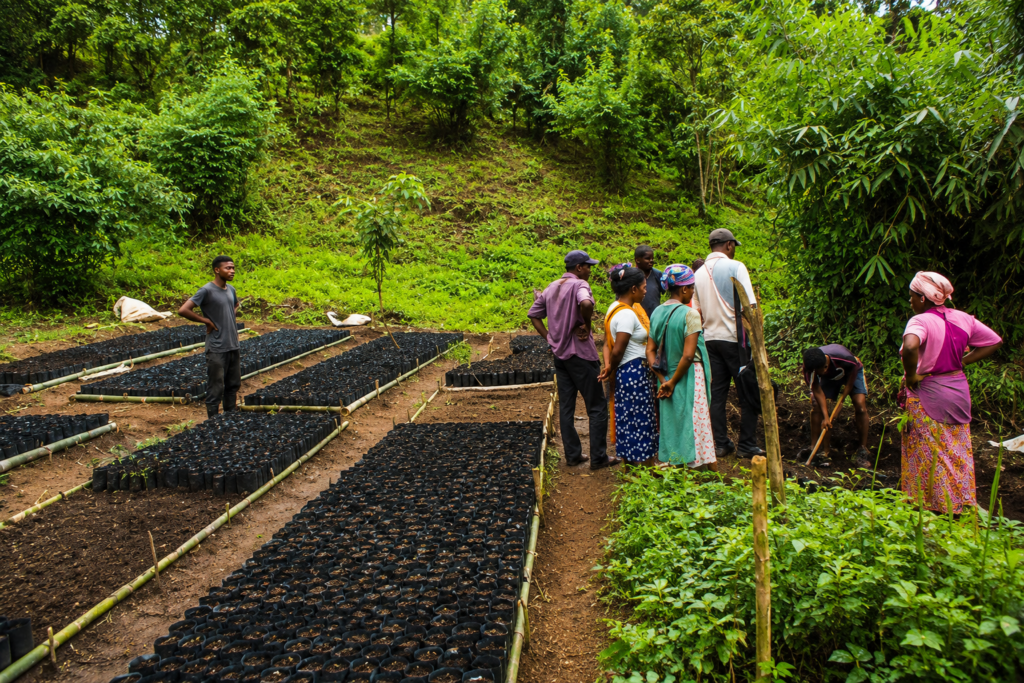
Water Resources Management
Protecting Water for People, Nature and Development
Water resources are essential for human well-being, ecosystems, agriculture and economic development.
Climate change, catchment degradation, pollution and unsustainable resource use place increasing pressure on water availability and quality.
Mazingira Yetu supports sustainable water-resource management through catchment protection, community participation, environmental assessment and ecosystem-based approaches.
Our interventions strengthen understanding, protection and responsible management of water resources while recognizing the relationship between healthy catchments, resilient ecosystems and community livelihoods.
Areas of Intervention
- Water-resource assessments
- Watershed protection
- Catchment conservation
- Water-source protection
- Community water-resource management
- Climate-risk assessments
- Water-resource mapping
- Environmental monitoring
- Water-resource research
- Community capacity strengthening

Environmental Governance, Policy & ESG
Strengthening Systems for Sustainable Environmental Management
Effective environmental management depends on appropriate policies, capable institutions, accountability, compliance and meaningful stakeholder participation.
Mazingira Yetu strengthens environmental governance through institutional capacity development, policy analysis, stakeholder engagement and evidence-based dialogue.
We also recognize the role of Environmental, Social and Governance principles in responsible investment, institutional accountability and sustainable development.
Areas of Intervention
- Environmental governance assessments
- Environmental policy analysis
- Environmental law and regulation
- Policy development and review
- Institutional capacity strengthening
- Environmental compliance
- Environmental, Social and Governance practices
- Stakeholder engagement
- Policy dialogue
- Multi-sector coordination
- Sustainable finance
- Environmental accountability

Climate Finance & Carbon Markets
Mobilizing Resources for Climate and Environmental Action
Sustainable financing is critical to translating environmental and climate priorities into practical and lasting action.
Mazingira Yetu strengthens knowledge and institutional capacity around climate-finance mechanisms and supports the development of credible environmental and climate initiatives.
Our work covers carbon markets, REDD+, nature-based financing, sustainable finance, and other mechanisms that mobilize resources for climate resilience, conservation, and sustainable development.
Areas of Intervention
- Climate finance
- Carbon markets
- REDD+
- Nature-based financing
- Sustainable finance
- Climate investment opportunities
- Climate project development
- Community participation
- Environmental and social safeguards
- Climate-finance research
- Monitoring and reporting